Rows of meal prep containers filled with balanced meals for shift workers
Six-Module Online Course

Real Food.
Real Shifts.
Real Systems.

You work twelve hours, sleep at odd times, and the vending machine knows your name. This course teaches practical kitchen systems so you can batch-cook five days of food on a single day off — meals that actually hold up in a lunchbox until your break.

Prep in under 2 hrs Lunchbox-safe meals Night shift timing Chrononutrition research

The Shift Worker Reality

The kitchen closes before your shift ends.

Most meal prep advice assumes you have evenings free, weekends predictable, and a regular sleep schedule. None of that applies when you work nights, rotating shifts, or extended twelve-hour blocks.

The vending machine at 2 AM is not a character flaw. It is a logistics problem. And logistics problems have systems-based solutions.

This course is built around what actually works inside a real lunchbox, inside a real locker, inside a real twelve-hour shift. Not aspirational meal plans. Practical kitchen architecture.

Understand the philosophy
Night shift worker opening a lunchbox during a break in a dimly lit break room
A system, not a schedule
Overhead view of a kitchen counter with meal prep ingredients organized in bowls
The Curriculum

Six modules. One complete system.

Each module builds on the last. You can work through them sequentially or jump to the section most relevant to where your schedule puts you right now.

01

The Shift Worker Kitchen Audit

Before cooking anything, understand your actual constraints. Locker size, break room access, reheating options, and schedule variability all shape what system will work for you.

02

Proteins and Grains That Hold Up

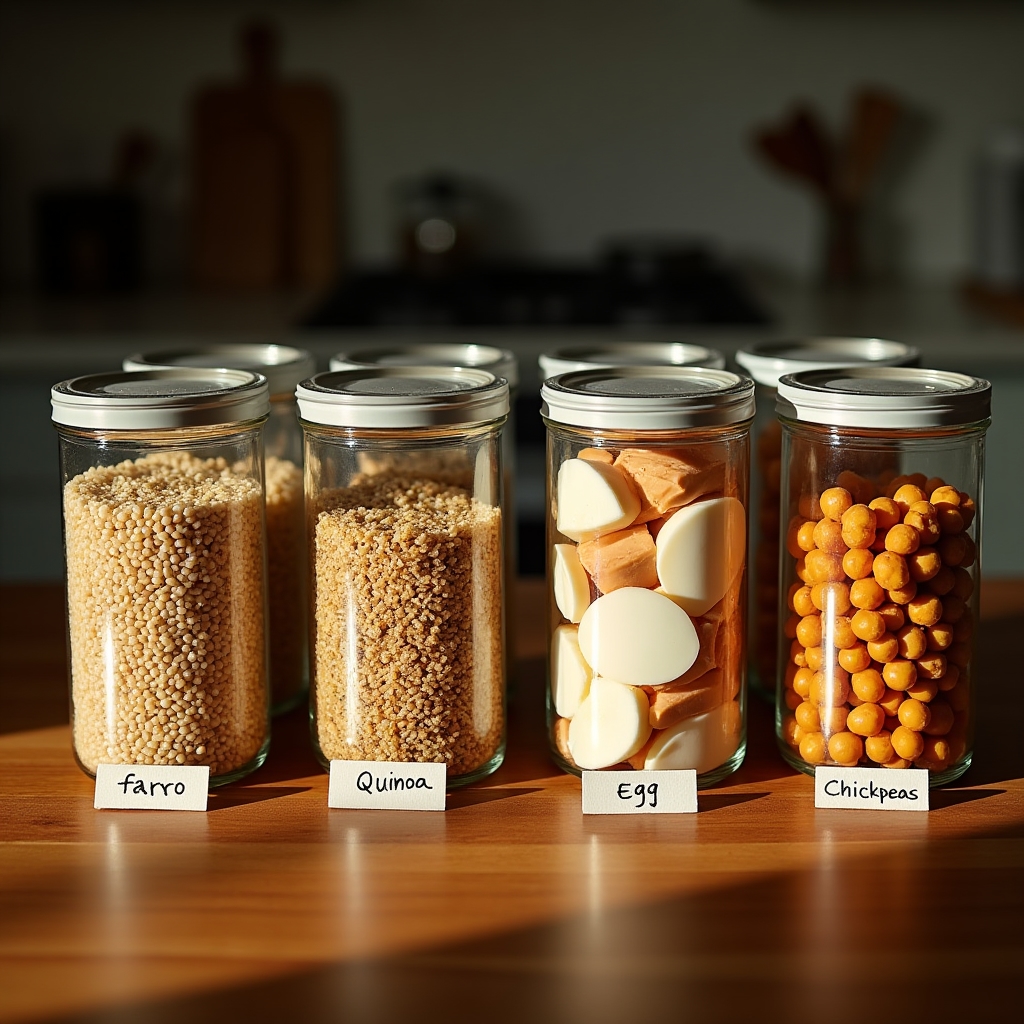
A detailed look at how different proteins and carbohydrates behave over time in a sealed container. Hard-boiled eggs versus roasted chicken. Farro versus white rice. The differences matter at hour eight.

03

The Two-Hour Prep Session

A full walkthrough of how to sequence cooking tasks so that five days of food comes together in a single session. Timing charts, oven stacking logic, and the order of operations that makes it possible.

04

Lunchbox Architecture

Container selection, layering techniques, and packing order affect both food quality and how easy it is to eat during a short break. This module covers the physical design of your meal-in-transit.

05

Chrononutrition for Shift Workers

What published research says about eating before a night shift versus after one. How to structure the pre-shift meal differently from the post-shift recovery meal, based on circadian biology rather than conventional meal timing.

06

Adapting the System

What happens when your schedule rotates, your days off shift, or you are traveling for work. Building flexibility into the system so it does not collapse the first time the week does not go as planned.

Side-by-side comparison of different grains and proteins in clear containers showing texture differences
Module 2 Preview

Not all proteins age the same way in a lunchbox.

Chicken breast and canned tuna behave very differently after six hours at ambient temperature. Farro holds its texture in ways that white rice does not. Understanding the underlying food science lets you build meals that are still worth eating at the end of a long shift rather than something you eat because it is there.

The course does not prescribe specific meals. It explains the principles so you can apply them to whatever ingredients work with your budget, your preferences, and what is actually available at the store near you.

Protein stability Starch retrogradation Moisture migration Container selection Temperature safety windows
Module 5 Preview

Before the shift. After the shift. Not the same meal.

Published chrononutrition research looks at how the timing of eating interacts with circadian rhythm. For shift workers, this research has specific implications that differ from standard nutritional guidance written for people with conventional schedules.

Before a Night Shift

Research suggests that eating composition and timing before a night shift can influence alertness and digestive comfort during the shift. The module covers what the evidence shows about pre-shift meal characteristics and how to build that into your prep session.

Module 5 · Section A

After a Night Shift

The post-shift meal is eaten when your body's circadian signals are in an unusual state. What published research says about eating at this time, and how to structure a recovery meal that supports sleep, is covered in detail in Section B of Module 5.

Module 5 · Section B

This course presents educational content drawn from published research. It is not a nutrition plan and does not constitute medical advice. Always consult a qualified healthcare provider for personal health guidance.

Start with the Course

Six modules covering everything from ingredient selection to chrononutrition timing. Work through the full curriculum at your own pace, on your own schedule.

View Course Catalogue

Understand the Approach First

Not sure if this is the right fit? Read about why this course focuses on education and systems rather than prescriptive meal plans or medical guidance.

Read the Philosophy
Quick Estimate

How much prep time does your schedule need?

Use this estimator to get a rough sense of how a two-hour prep session could cover your week. Adjust the inputs to match your actual shift pattern.

Total shift meals to prep --
Estimated prep sessions needed --
Estimated total weekly prep time --

These are rough estimates based on the two-hour batch session framework taught in Module 3. Actual times vary based on recipe complexity and kitchen setup.

Shift worker in athletic clothes stretching near a window with morning light after returning from a night shift
Also in the Course

Coming back to exercise after a long stretch of shifts?

The course includes a dedicated section for shift workers who are also navigating a return to regular physical activity. Sleep disruption and irregular eating affect recovery differently than they do for people on conventional schedules.

Read the Exercise Section